
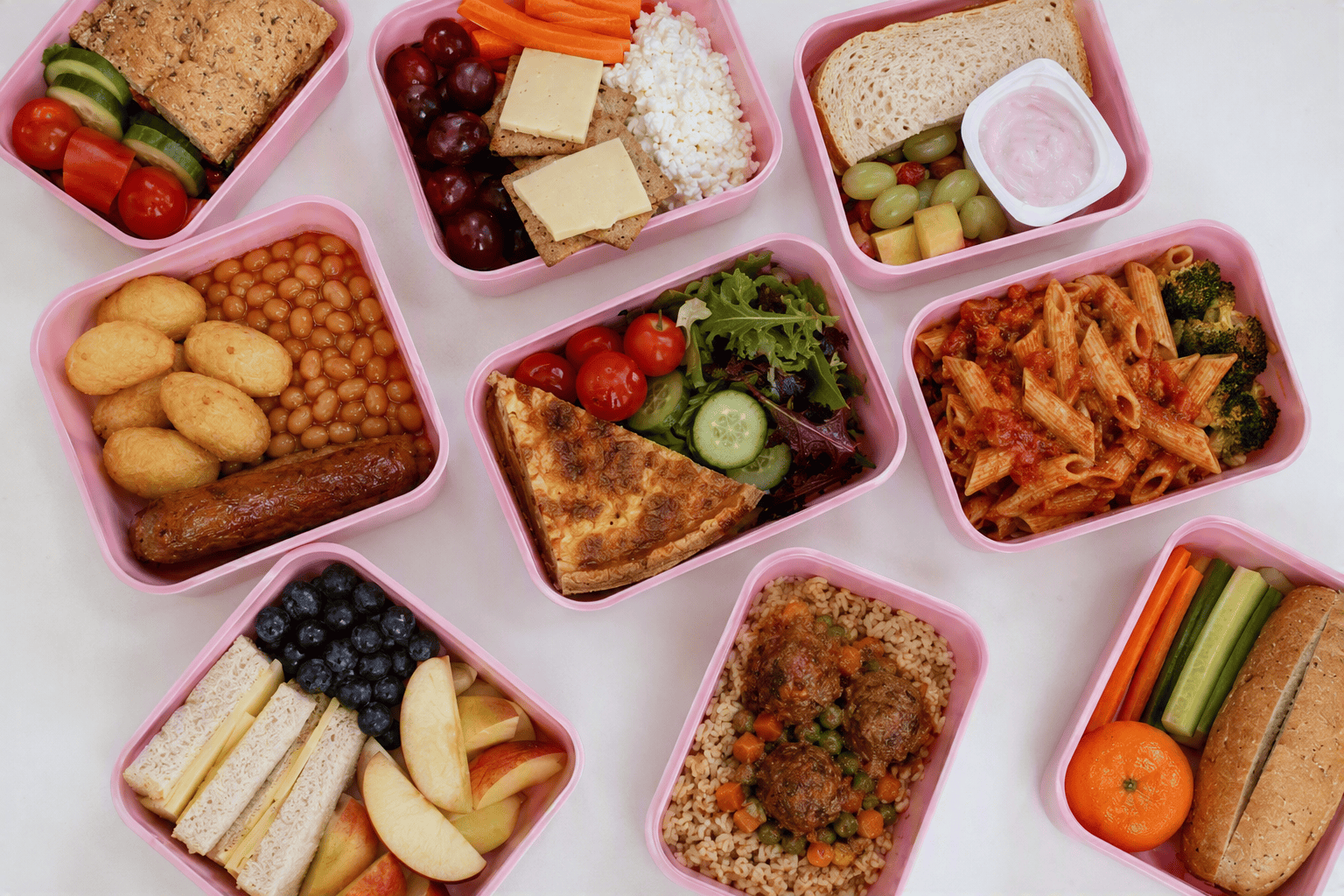
UK school food is going through its biggest shake-up in over a decade, and it’s worth knowing about whether you’re sourcing for schools directly or just keeping an eye on where the education catering market’s heading.
Free school meals are expanding
From September 2026, eligibility for free school meals expands to include all households receiving Universal Credit, not just those under the previous income threshold. The Department for Education estimates over half a million more children will become eligible. As of January 2026, around 2.2 million pupils were already eligible for free school meals — 26.5% of all state-funded pupils — and that figure has climbed every year since 2018.
Breakfast clubs are becoming mandatory
The Children’s Wellbeing and Schools Act 2026 requires every state-funded primary school in England to provide a free breakfast club before the school day begins. It isn’t fully in force yet, but the rollout is underway, building on an early adopter scheme that started with 750 schools and has been expanding in phases since.
A full rewrite of the food standards
Around 30% of a child’s daily food intake happens at school, and the current standards date back to 2014. In April 2026, the government opened a consultation on a major overhaul, aiming to bring the rules in line with current nutrition science. Under the proposed changes, including:
- Deep-fat fryers are banned from food prep entirely
- Pastries, fried bread, and processed meats are out of breakfast menus, replaced by high-fibre bread, eggs, and low-sugar cereals
- Every main meal, including grab-and-go options, needs a portion of veg or salad
- Fruit juices and non-sugar sweeteners are being phased out, and sweet desserts are capped at once a week
- Schools will need to publish their food policies and menus online, with a named governor responsible for compliance
If confirmed, primary schools would need to comply by September 2027, and secondary schools — which lean more heavily on grab-and-go formats — by September 2028.
What it means for the market
Many suppliers are already moving on this. Dolce Schools Catering just had its biggest year yet for new contracts, winning 29 new contracts covering 126 schools and projecting revenue of over £75m for 2026/27, alongside major canteen redesigns and full dining hall fit-outs to match rising expectations.
Between more pupils becoming eligible for free meals, mandatory breakfast provision on the way, and stricter standards to meet, demand across the education catering sector isn’t slowing down — it’s shifting. Buyers are having to rethink menus, supply chains, and compliance all at once, and suppliers who are already ahead of the standards will be the ones schools want to work with.