
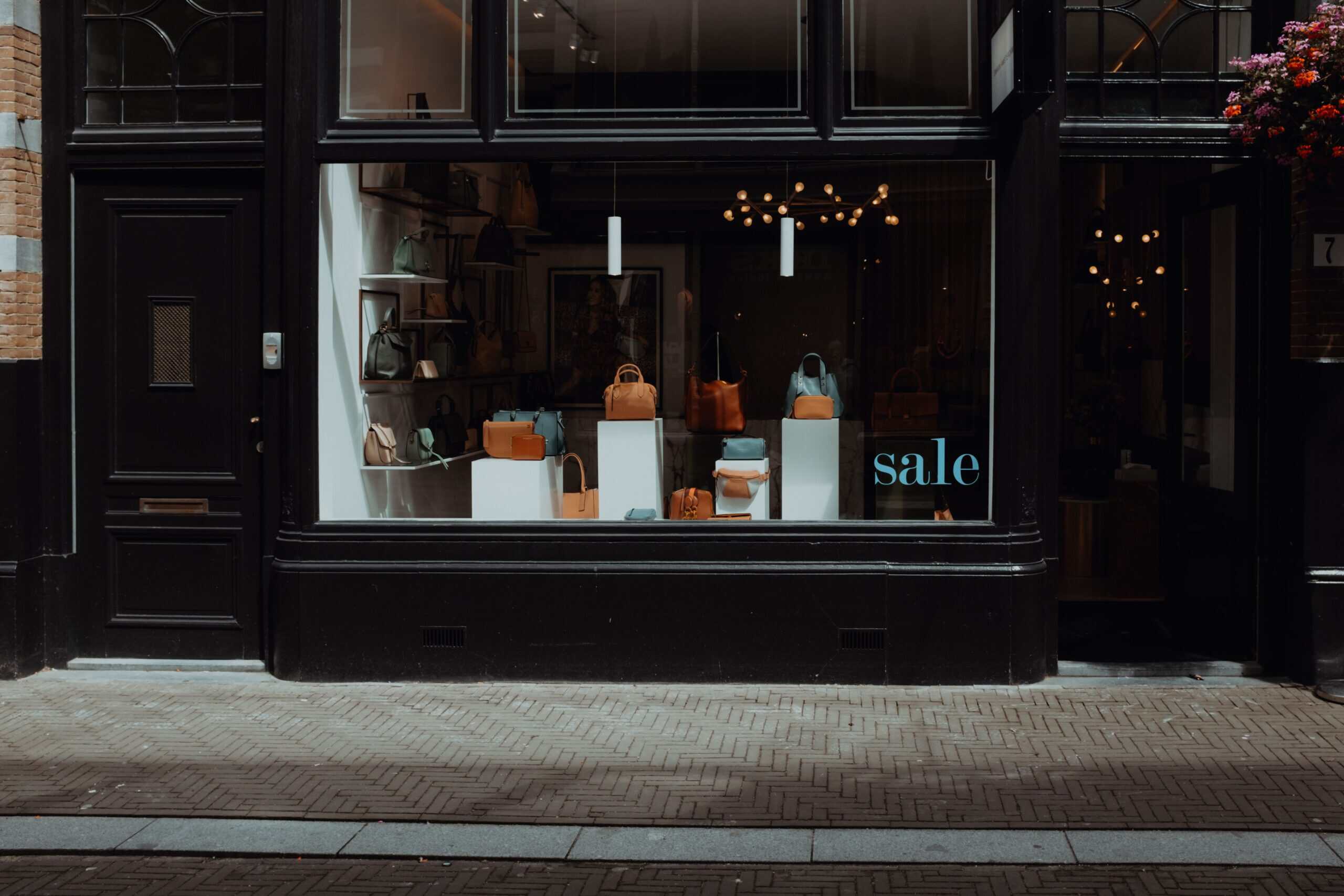
For years, “death of the high street” headlines made retail fit-out sound like a shrinking market. The opposite is happening. Store closures and vacant units get the headlines, but behind them is a genuine reinvestment cycle — retailers spending more per store, not less, on the physical space itself.
Fewer stores, bigger budgets
Retailers are consolidating around fewer, higher-performing locations and putting real money into them. According to Hebs Group’s 2026 retail fit-out analysis, the shift is toward larger-format, high-spec stores that double as a showroom, sales floor, and fulfilment hub all at once. Brands are prioritising quality over quantity, and investment in fit-outs and refurbishment is increasing despite the closures narrative.
For anyone sourcing retail fit-out contractors or suppliers, that means fewer, bigger, more complex jobs replacing a high volume of smaller, simpler ones — and a higher bar on finish, flexibility, and speed of delivery.
The brands committing to physical space right now
The activity backs this up. Uniqlo has taken the former Ted Baker unit in Cambridge, due to open in Q4 2026. SKIMS is opening its first UK store on Regent Street, on the former Ted Baker site too. Antler is entering physical retail for the first time with a Regent Street opening. Anthropologie has taken space at Coal Drops Yard, King’s Cross. Marks & Spencer opened a new store at Fairacres retail park in Abingdon, creating 75 jobs. Athleisure brand Alo is opening four new UK stores, and Crew Clothing has around 20 more planned.
That’s a lot of live shopfitting projects landing at once, and a lot of pressure on timelines to get each one open on schedule.
Mixed-use developments are changing the brief
Retail increasingly sits inside mixed-use developments, alongside leisure, hospitality, fitness, and residential space, rather than standing alone. That means retail fit-out specs now have to account for shared services, neighbouring tenants, and spaces that flex between uses throughout the day, not just the shop floor itself.
The Building Safety Act is adding to lead times
Worth flagging for anyone planning a retail fit-out: a small but growing number of schemes are seeing extended lead-in times because of additional obligations under the Building Safety Act. It isn’t universal yet, but it’s a live factor in scheduling that wasn’t as prominent a few years ago.
What this means for sourcing
More live projects, bigger budgets, tighter finishes, and a regulatory layer that’s slowly adding friction to timelines: sourcing the right retail fit-out suppliers now matters more than it did a few years ago, not less. Buyers who can quickly find contractors with real retail fit-out experience, not just generalist capability, will have a real edge as this wave of store openings continues through 2026.