
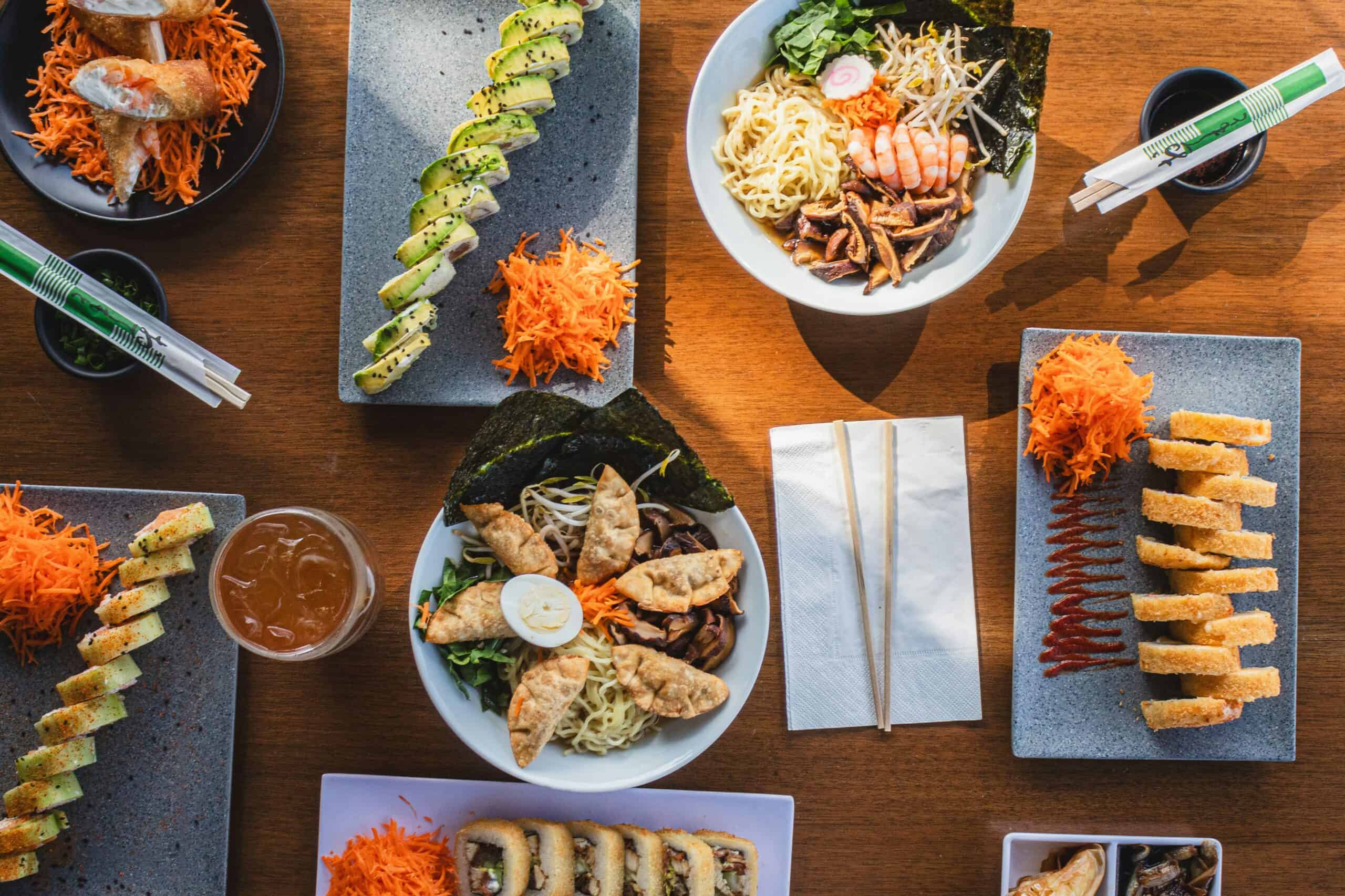
Demand for global cuisine menus keeps rising. According to research, 54% of UK diners are interested in trying global dishes when they eat out. That’s great news if you write menus. It’s a bit more complicated if you’re the one who has to source them.
And it isn’t just restaurants. Hotel restaurants, cruise dining rooms, theme park food courts and stadium kiosks are all seeing the same shift. Here’s what guests are asking for, why it makes sourcing harder, and what to sort out before your next menu change.
What guests are actually asking for
It’s not just “something a bit spicy” anymore. Guests want specific dishes, and they want them to taste authentic. Nestlé Professional points to Korean bao with gochujang chicken, Peruvian ceviche and Malaysian laksa as examples of dishes many caterers are already putting on menus.
How people eat is changing too. The same research found that 73% of diners are drawn to small plates, 68% enjoy sharing platters and 60% like group dishes. Street-food stations and build-your-own formats let guests try a new cuisine without committing to a whole plate of something unfamiliar.
Quality matters as much as novelty. Bidfood found 75% of consumers describe themselves as “very quality-led”, so a half-hearted version of a global dish can be riskier than not having it on the menu.
Why it’s a sourcing challenge
Authentic flavour usually comes down to a handful of specific ingredients. The right gochujang, a particular curry paste, fresh herbs that don’t travel well. They’re often not on your main wholesaler’s list at all. And when they are, there might be just one brand to choose from, which isn’t the one your chef would pick.
Then there’s volume. If you are catering for a hotel group, a cruise line or a theme park, you need a supplier who can deliver the same quality every week, across every site, without the product changing halfway through the season.
Cost is part of it too. The latest Prestige Purchasing and NIQ index showed hospitality food and drink prices rose 0.4% in August, with sugar, dairy, meat and oils all under pressure from global commodity markets and weather. Imported specialist ingredients tend to be more exposed to that kind of volatility.
A few other things tend to catch buyers out. Specialist and imported products don’t always come with the clear allergen information your teams need. Fresh specialist produce might need more frequent deliveries, which is harder for remote sites like ships or out-of-town parks. And adding three new cuisines can easily mean dozens of new product lines, which means more suppliers to manage and more stock to waste if a dish doesn’t sell.
Where the sourcing conversation is shifting
Bringing in new lines isn’t new for anyone running a hospitality kitchen. What’s different with global dishes is where the risk actually sits, and a few things are changing how buyers are approaching it.
Authenticity is getting more regional:
A few years ago “Asian” became “Korean” or “Thai” on menus. Now guests are increasingly ordering specific dishes they’ve had on holiday. A gochujang that works fine in a fusion glaze might not pass in a dish someone’s eaten in Seoul. That puts more weight on brand and origin in the spec, and makes “or equivalent” substitutions a lot riskier than they are for everyday lines.
The specialist’s own supply chain is often the weak point:
Plenty of specialist importers are smaller businesses relying on a handful of producers and shipments. The product can be excellent and still disappear for six weeks because one container’s held up. The useful questions go one level further back: who actually makes it, how many sources they have, and how much stock they hold in the UK.
UK-made versions deserve a second look:
UK producers making things like kimchi, chilli oils, curry pastes and hot sauces can offer shorter lead times, specs and allergen information in the format your teams already use, and less exposure to exchange rates and shipping costs. The quality gap with imports isn’t always as wide as people assume.
Cross-use is doing a lot of the heavy lifting:
The menus handling this well tend to pick global dishes that share their hero ingredients. One chilli crisp can carry a bao, a noodle dish and a loaded fries special. It keeps line counts and waste down while still offering a varied menu.
Speed-scratch components are earning their place:
Authentic global dishes often rely on technique as much as ingredients, and not every site has a chef who’s made laksa paste from scratch. Good quality bases, buns and pastes let a multi-site operation deliver the same dish consistently everywhere, and with wage costs where they are, that trade-off is getting easier to justify.
The margin angle that often gets missed
Global dishes tend to get filed under “extra cost”: specialist lines, more suppliers, more risk. But a lot of the cuisines guests are asking for are built on rice, noodles, pulses, vegetables and cheaper cuts, with the flavour carried by a sauce or paste. That’s a very different cost profile from a classic plated main.
So while the hero ingredient might cost more per kilo, the plate often doesn’t. Combine that with the sharing and small-plate formats guests are already choosing, and a well-sourced global dish can feel premium to the guest while sitting comfortably on margin. The sourcing effort goes into a few lines that carry the flavour, not the whole plate.
Meet suppliers who can deliver
The quickest way to find specialist suppliers who can actually handle your volumes is to meet them. At the Catering Platform, hospitality buyers have pre-matched meetings with food and beverage suppliers over two days, so you can compare ranges, pricing and capacity side by side and ask the questions that matter before you commit.